7 Things to Look for When Browsing Offshore Fishing Boats for Sale
Purchasing a fishing boat offshore requires an investment. In contrast to inshore, offshore vessels encounter unpredictable weather and saltwater over long distances. Choosing the right boat isn’t just a question of looks or comfort. It is about safety, reliability, and performance.
There are specifications to look for while browsing offshore fishing boats for sale. This will give you an idea of how a boat will behave when in deep water. Everything from engine configuration to hull type affects your fishing experience. You aren't just buying a vessel. You are buying a specialized tool designed to keep you safe and successful miles from the nearest coastline.
To help you navigate the market, we have narrowed down the seven non-negotiable factors you must evaluate when browsing offshore fishing boats for sale.
1.Hull Design and Deadrise
When you’re 40 miles out, and the wind picks up, the shape of your hull determines whether you have a comfortable ride or a back-bruising nightmare. Most offshore anglers look for a Deep-V hull.
Look specifically at the deadrise angle. It is the angle of the hull’s “V” at the transom. If you have serious offshore work, then choose a deadrise of 20 to 24 degrees. A more acute angle cuts through the choppy sea like a knife, which is what provides a softer landing. However, always keep in mind that a deep-V can become more tippy when at anchor or trolling. If you want to prioritize stability while bottom fishing, then you may opt for a slightly shallower deadrise. This will offer incredible lateral stability in rough seas.
2. Range and Fuel Capacity
When it comes to offshore fishing, distance is the name of the game. You need to have enough gas to take you to the fishing grounds and return home safely.
As you search through offshore fishing boats for sale, engine size doesn’t always matter. Check the fuel tank capacity. For coastal work, 200 miles of range is no hardship. But if you are into blue-water adventures, you need a boat that delivers the long hauls without worry of low fuel levels.
3. Power and Reliability
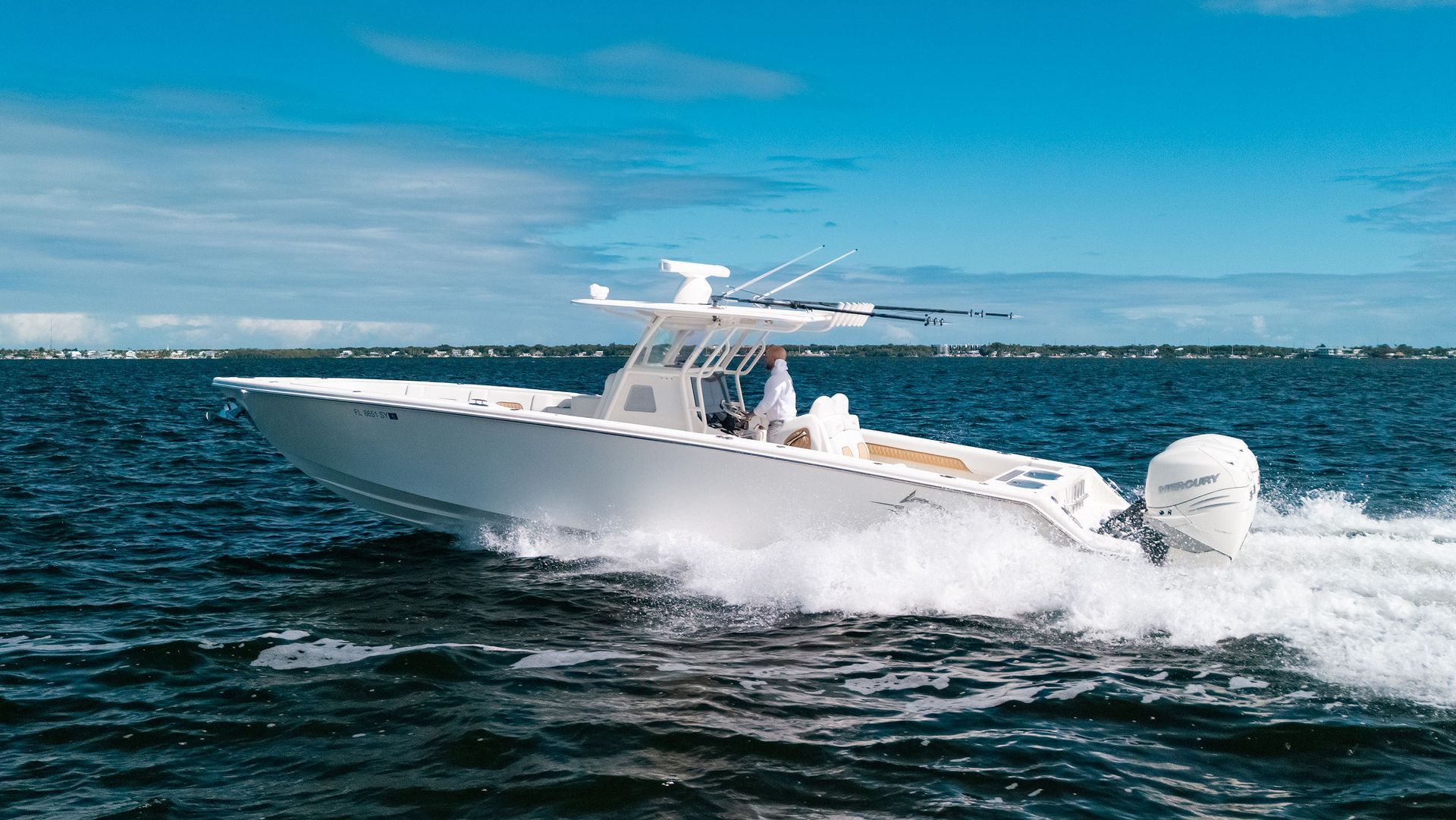
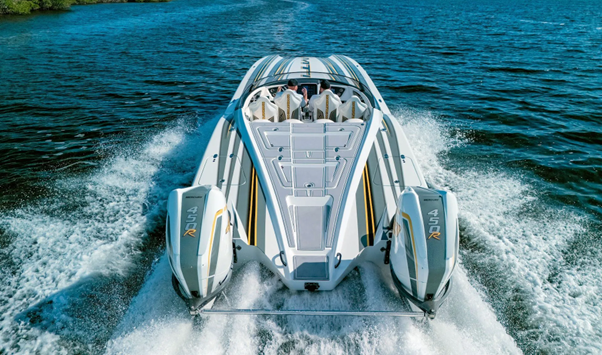
Out in the deep, your engines are your lifeline. Today's offshore boats are predominantly twin, triple, or quad outboard configurations. The “cool factor” of four engines runs high, but concentrate on reliability and maintenance history.
Check the engine hours. While low hours are generally good, a vessel with boat trailers for sale USA that has sat idle for years can have more "gremlins" than one used regularly and serviced meticulously. Try to aim for brands with a strong local service base. If you are considering an older hull, see if it has been “repowered” with new four-stroke engines. These are dramatically more fuel-efficient and quieter than old two-strokes.
4. Fishing Ergonomics and "Fishability"
Offshore fishing boats for sale can look beautiful. If it’s not “fishable,” it is simply a floating lounge. During photo reviews or walkthroughs, visualize the fishing process:
- Cockpit Space: Do two or three people have enough space to work a double-header without stepping on each other?
- Rod Holders: Are they positioned correctly? You want a mix of gunwale holders, "rocket launchers" on the T-top, and perhaps even heavy-duty swivel holders for big-game trolling.
- Toe Rails and Bolsters: When leaning over the side to gaff a fish, do you have padded bolsters for your thighs and toe kicks to keep your balance?
5. Navigation and Electronics
These days, offshore fishing is a high-tech endeavor. A boat with old electronics is the one that needs an upgrade. Always look for:
- CHIPR Sonar: Essential for fish marking in deep water.
- Autopilot: A lifesaver on long transits.
- Radar: Non-negotiable for sailing through fog and offshore safety.
- Redundant Systems: Does the boat have dual VHF radios or dual screens? In the deep sea, backup systems are vital.
6. Livewells and Fish Boxes
If you can’t keep your bait alive or your catch fresh, the trip is a failure. Examine the livewell system. You want a pressurized livewell (to keep bait from sloshing around, "red-nosing" it) with a high-capacity pump.
Next, look at the fish boxes. Offshore fish are big. Search for large in-floor fish boxes with macerator pumps on the offshore fishing boats for sale.
7. Safety Features and Build Quality
Finally, look at the bones of the offshore fishing boats for sale. Do check the decks for soft spots and inspect the bilge to know how the wiring is done. A bird's nest of messy wires is a sign of low maintenance and a potential electrical fire waiting to occur.
Safety features must be prominent. High gunwales deliver security in rough water, especially when you have little ones on board. Look for a solid T-top with grab rails all over.
Conclusion
The key to finding the offshore fishing boats for sale is to balance your target specs, budget, and comfort. There is no pressure in the buying process. Utilize the search tools available on The Marine Web website. Here you can study the specs, compare models, and always schedule a sea trial. The right boat is always here for you. Now find it and chase the horizon.
The Marine Web also features new boat trailers in USA. So if you are in search of boat trailers for sale USA, then you know where to visit.
FAQs
1. How many engine hours are too many on used offshore fishing boats for sale?
For modern four-stroke outboards, 1000 to 1500 engine hours represents mid-life. In addition, with proper care, many engines can last beyond 3,000 hours. But the quantity is less important than the quality of maintenance. Always request service history records.
2. Center Console Vs. Express Offshore Fishing Boats: Which is Best?
It all depends on your offshore fishing requirements. A Center Console delivers 360-degree fishbility at higher speeds. This makes it ideal for active anglers. On the other hand, an Express boat has a cabin for overnighting. It protects you from harsh sea elements and offers a more comfortable home base for long sea trips.
3. Do you really need a survey for newer offshore fishing boats for sale?
Yes. A two or three-year-old boat also may have dangerous hidden structural issues, engine damage, and moisture in the hull. The fee for a professional marine survey is a small price to pay for peace of mind on your investment.
4. What is the minimum size boat you should take offshore?
Some professional captains take 200-foot boats offshore. However, most experts suggest at least 25 feet for routine offshore fishing. That size accommodates two engines and provides enough hull length to stretch the gaps between waves.
5. How much should you budget for maintenance annually?
10 percent of a boat’s value is a good rule of thumb to account for annually. This budget is for storage, maintenance, repairs, and insurance. Offshore boats operate in a severe saltwater environment. This hastens the wear and tear on everything from electronics to pumps.