
Used Boats for Sale Florida
The Marine Web offers information on pre-owned boats for sale by boat dealers.
Active Boats for Sale
Click on each thumbnail image in our photo gallery for full screen boat photos, boat specifications, boat price, boat location and much more.
Contact the boat listing dealer directly for even more information and to make an appointment for your personal inspection. Each boat listing will have it's own "Call Us" button.
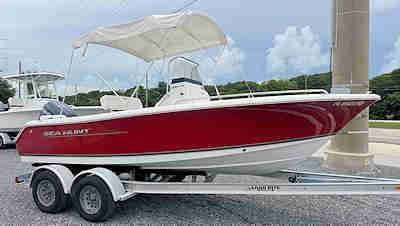
2011 Sea Hunt Triton 188
Yamaha 115 Four Stroke
$18,900
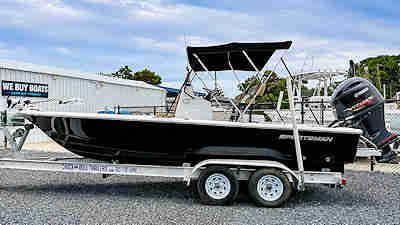
2019 Sportsman 214 Tournament
Yamaha 150 Four Stroke
262 Hours
$49,900
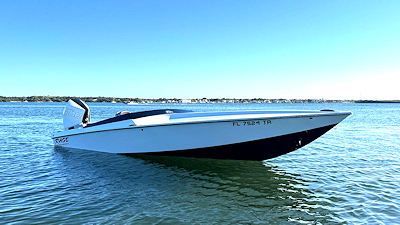
1988-2024 Activator 22
2023 Mercury 300R
ONLY 40 hrs
$79,900
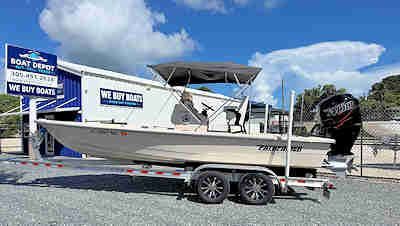
2007 Pathfinder 2200 V
2018 Mercury Racing 400R
567 Hours
$59,900
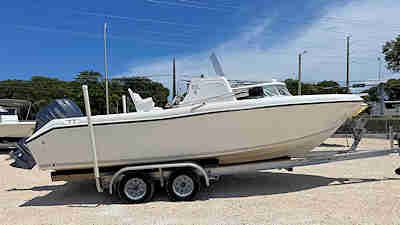
2003 Pro Sports 2200 Blue Water
Yamaha 150 Four Stroke
$14,900
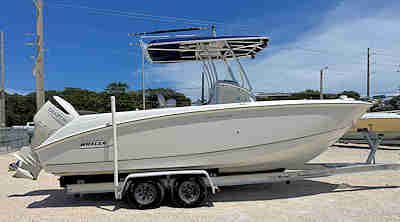
2005 Boston Whaler 240 Outrage
2020 Suzuki 300
200 Hours
$51,900
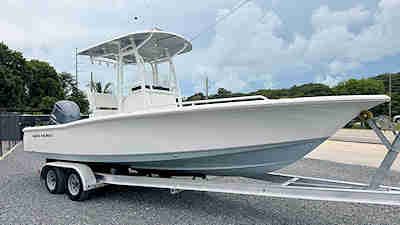
2014 Sea Hunt BX 24 BR
Yamaha 300 Four Stroke
480 Hours
$49,900
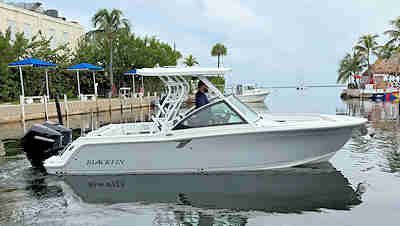
2022 Blackfin 252 DC
Twin Mercury 200 Four Strokes
Approx. 270 hours
$119,900
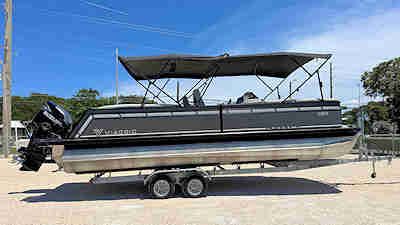
2024 Viaggio Lago X 24U Triple Toon
Suzuki DF350 Black
9 hours
$73,900
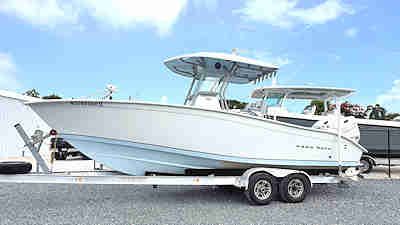
2018 Cape Horn 27XS
Twin 2018 Suzuki 200HP Four Strokes
~775 engine hours
$109,900
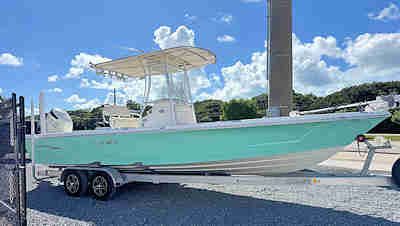
2020 Blue Wave 2600 PureBay
Suzuki 300 Four Stroke
Only 262 Hours
$69,900
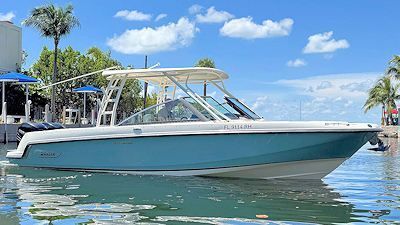
2016 Boston Whaler 270 Vantage
Twin Mercury 225 Four Strokes
380 hrs
$129,900
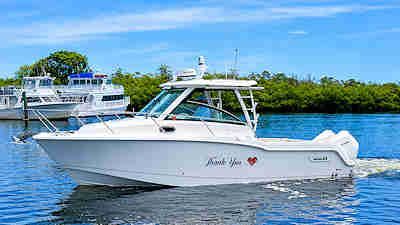
2020 Boston Whaler 285 Conquest
Twin Mercury V8 AMS 250HP outboards
800 Hours
$209,900
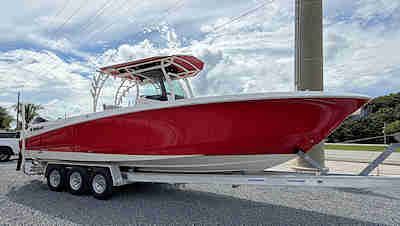
2019 Wellcraft 302 Fisherman
Twin Mercury 350 Verados
ONLY 190 HOURS
$119,900
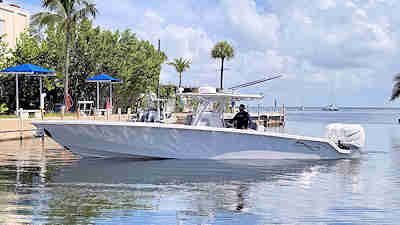
2021 Blackwater 36SF
Triple Mercury Verado 350s
~750 Hours
$199,990
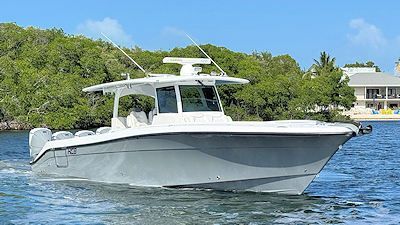
2020 HCB 42 Siesta
Quad Yamaha 425 XTO Outboards
560 hours - Just Serviced 3/2026
$499,900
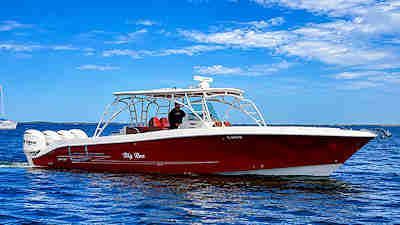
2011 Hydra-Sports 4200 SF
Quad Yamaha 350's
Only 120 Original Hours
$169,900
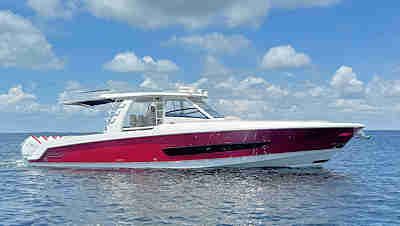
2017 Boston Whaler 420 Outrage
Quad Mercury 450R's
280 Hours
$499,900
FAQ's
How do I choose the right boat?
The right boat depends on how you plan to use it. Fishing boats are designed for anglers, pontoon boats are ideal for family outings, sailboats are suited for recreational sailing, and cabin cruisers provide comfort for extended trips. Consider passenger capacity, engine type, maintenance costs, storage requirements, and your budget before making a purchase.
Should I buy a new or used boat?
A new boat offers the latest technology, warranties, and fewer maintenance concerns, while a used boat can provide excellent value at a lower purchase price. Before buying a used boat, inspect the hull, engine, electronics, service history, and overall condition. If possible, arrange a professional marine survey to identify any hidden issues.
What should I inspect before buying a used boat?
Inspect the hull for damage or repairs, check the engine hours and maintenance records, test electrical systems, examine steering and controls, review safety equipment, and inspect the trailer if included. A professional inspection or marine survey is strongly recommended before completing the purchase.
What documents are required when purchasing a boat?
Required documents vary by country or state but generally include proof of ownership, a bill of sale, registration documents, title certificates where applicable, identification, and any warranty information. Buyers should also verify that there are no outstanding loans or legal claims against the vessel before purchasing.
How often should a boat be serviced?
Most boats should receive routine maintenance at least once a year or after approximately 100 operating hours, depending on manufacturer recommendations. Regular servicing includes engine maintenance, oil changes, inspection of safety equipment, battery testing, hull cleaning, and checking electrical and fuel systems.
How do I choose a reliable boat dealer?
Look for dealers with positive customer reviews, transparent pricing, knowledgeable staff, manufacturer certifications, warranty support, and after-sales service. A reputable dealer should answer your questions clearly, provide complete documentation, and allow inspections or demonstrations before purchase.
Do boat dealers provide financing?
Many boat dealers work with financing partners to offer payment plans for qualified buyers. Financing options vary depending on your location, credit profile, boat value, and lender requirements. Buyers should compare loan terms, interest rates, and repayment options before making a decision.
FAQ's
1. Why do listing prices on used boats for sale Florida vary so wildly for identical models?
Sellers pull numbers out of thin air, plain and simple. While one owner thinks his decade-old center console is a floating mint because he slapped on fresh upholstery, a desperate seller down the marina drops his price just to dodge accumulating slip fees. When you browse listings for used boats for sale Florida, don't assume a higher price tag guarantees a pristine transom. Always demand maintenance logs before you open your wallet.
2. How can I avoid buying a money pit when browsing boats for sale in Florida online?
Never buy blind. Hiring an independent marine surveyor gives you real protection against a raw deal. You want a licensed pro who will look over the hull, moisture-test the glass deck, and extract oil samples from the outdrives. A boat is a great deal until you start finding soft spots in the hull that cost ten grand to rebuild.
3. Why do so many used boats for sale lack basic engine compression test results?
Sellers do not usually like to put bad news out by their own choice. Although it might look brand-new on the outside, a sparkling outboard can be hiding scored cylinders and blown head gaskets under its gleaming surface. When a listing for used boats for sale Florida does not include basic mechanical diagnostics, either the seller has neglected routine service or is attempting to hide expensive mechanical engine damage. Demand a full sea trial and a mechanic’s inspection before making an offer.
4. Is a low engine hour count a reliable indicator of a vessel's true condition?
Engine hours tell only a tiny fraction of the story. A saltwater vessel with 150 hours that sat in the filthy coastal canal without being flushed for three years will rot quicker than a commercial charter boat with 1,200 serviceable hours. Corrosion silently consumes metal while the vessel survives sweltering in place.
5. Are online listings for boats for sale in Florida accurate, or do brokers hide major flaws?
Treat any shiny picture of a listing with suspicion. High-resolution photos easily mask hairline gelcoat cracks, electrical gremlins, and waterlogged stringer foam. Brokers love highlighting "low engine hours," but low hours on a boat that's been tied up in saltwater translate into dry-rotted seals and corroded manifolds. While you are browsing through boats for sale in Florida, keep in mind that any broker is working for the seller rather than yourself.
6. Should I trust "recently serviced" claims on pre-owned vessel listings?
Words are cheap, but marine repairs aren't. A seller's idea of "service" means nothing more than wiping down the engine cowling and adding fresh fuel stabilizer. Unless the owner hands you itemized receipts from a certified marine technician, treat those maintenance claims as pure smoke and mirrors.
7. Do private sellers routinely mark up asking prices expecting buyers to negotiate?
Almost always. Florida's boat market thrives on high listing prices because sellers expect buyers to haggle hard. But some owners remain unrealistic about their fantasy price points, glaring hull blisters, or outdated electronics. Check recent marine comps and official Blue Book values before you enter negotiations.
8. What is the initial thing I should look for in boats for sale in Florida?
Start with the basics first. Engine hours, service records, condition, and location. Then check whether the dealer shares enough photos and specs to back up the asking price. Boats for sale in Florida can vary wildly from “ready to run” to “buyer beware,” and the difference often shows up in the details.
9. Are dealer warranties on pre-owned boats worth the paper they are printed on?
Third-party warranties don't cover things like wear, corrosion resulting from saltwater exposure, and structural decay. These are the exact three issues that ruin your weekend. Dealers pitch these contracts as bulletproof safety nets. But if a lower unit explodes, you're left holding the bag.
10. How can I spot a seller flipping a lemon boat for an easy buck?
Watch out for short ownership duration and messy title documentation. Flippers rarely register vessels in their own names to dodge taxes. They never know the boat's true operational history. If the title lists a name that doesn't match the seller's driver's license, walk away immediately.
If you are a boat dealer and would like us to place your boat listings here on The Marine Web, please call us.