Offshore Fishing Boats for Sale: How Quality Design Improves Every Fishing Trip
Boat dealers love selling glossy dreams. Their marketing materials have bright sunlight shining off the water, polished gelcoat, and happy families floating on calm seas. But what do you do when you run out forty miles, and the wind picks up a five-foot chop? Glossy photos vanish quickly when brutal swells slam against your vessel.
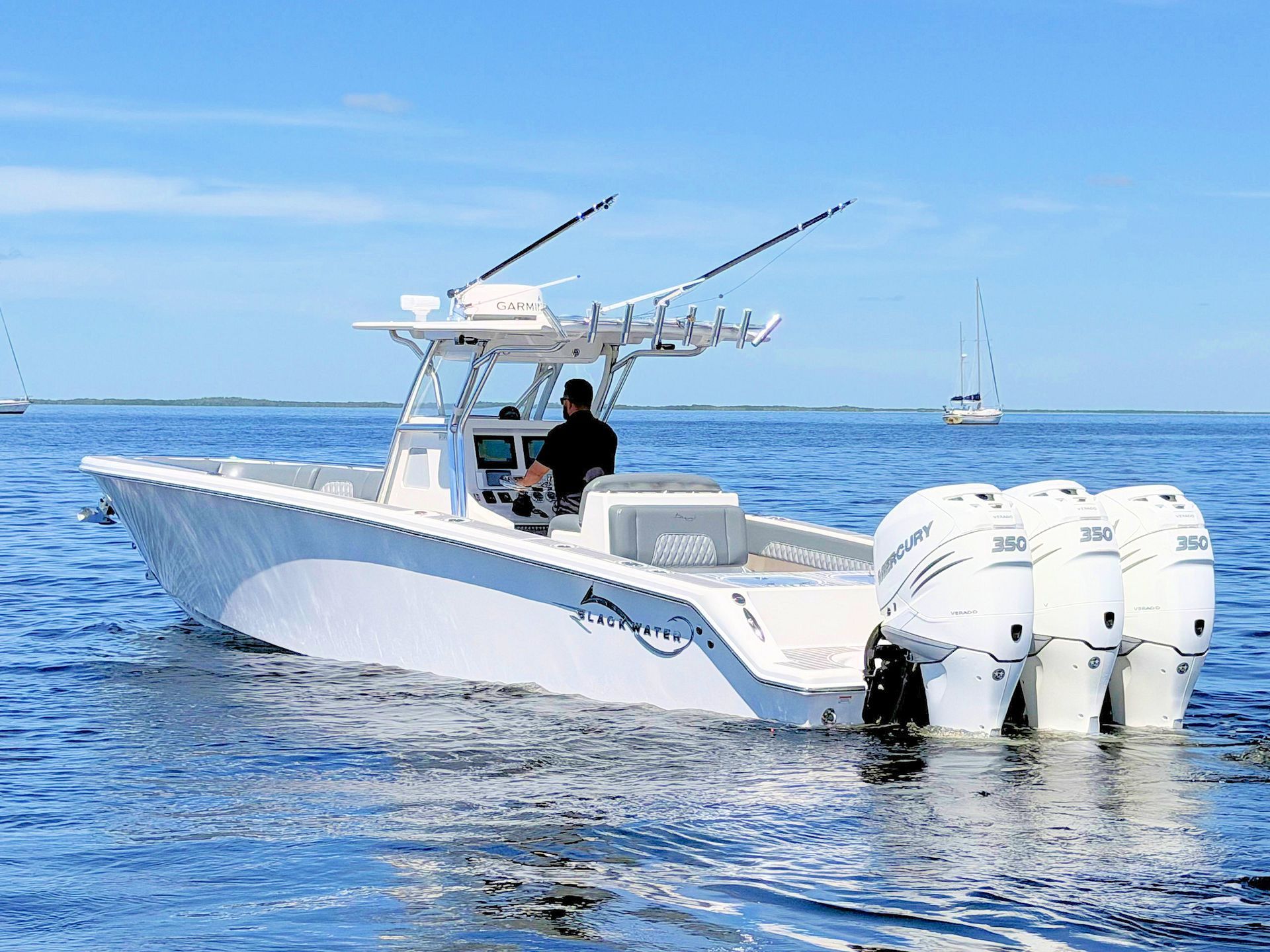
Smart anglers question the hype. Are those shiny Offshore Fishing Boats for Sale more than a big floating lounge or the actual bluewater machine you've been waiting for? Superior design isn't merely showing off at the marina; it's when you head into open water. It determines whether you catch fish or endure a back-bruising nightmare.
Hull Geometry: Slicing Waves vs. Rattling Teeth
Sales reps blabber endlessly about outboard horsepower, yet hull geometry tells the real story. Take flashy performance claims with a grain of salt until you examine the deadrise angle at the transom.
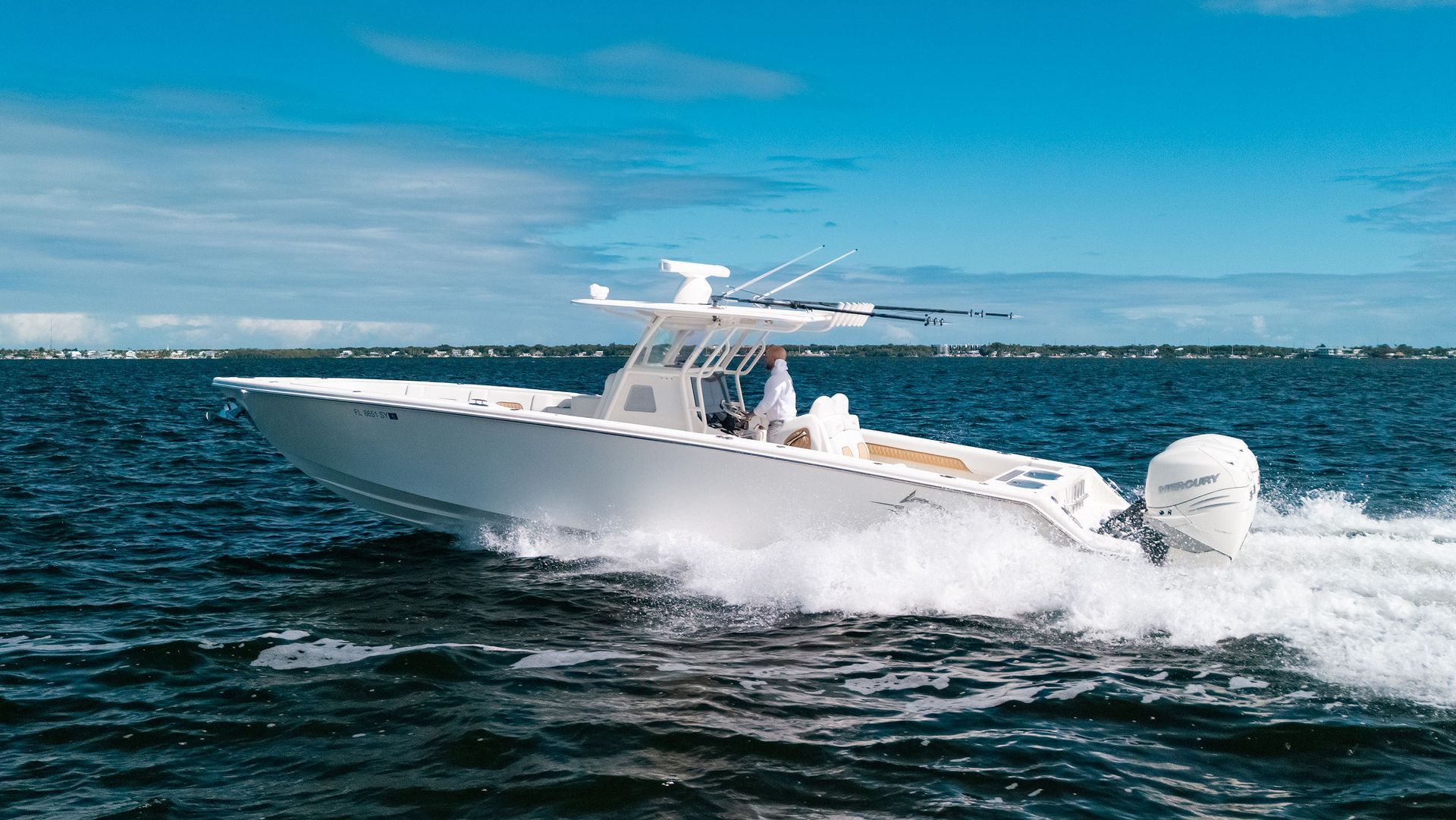
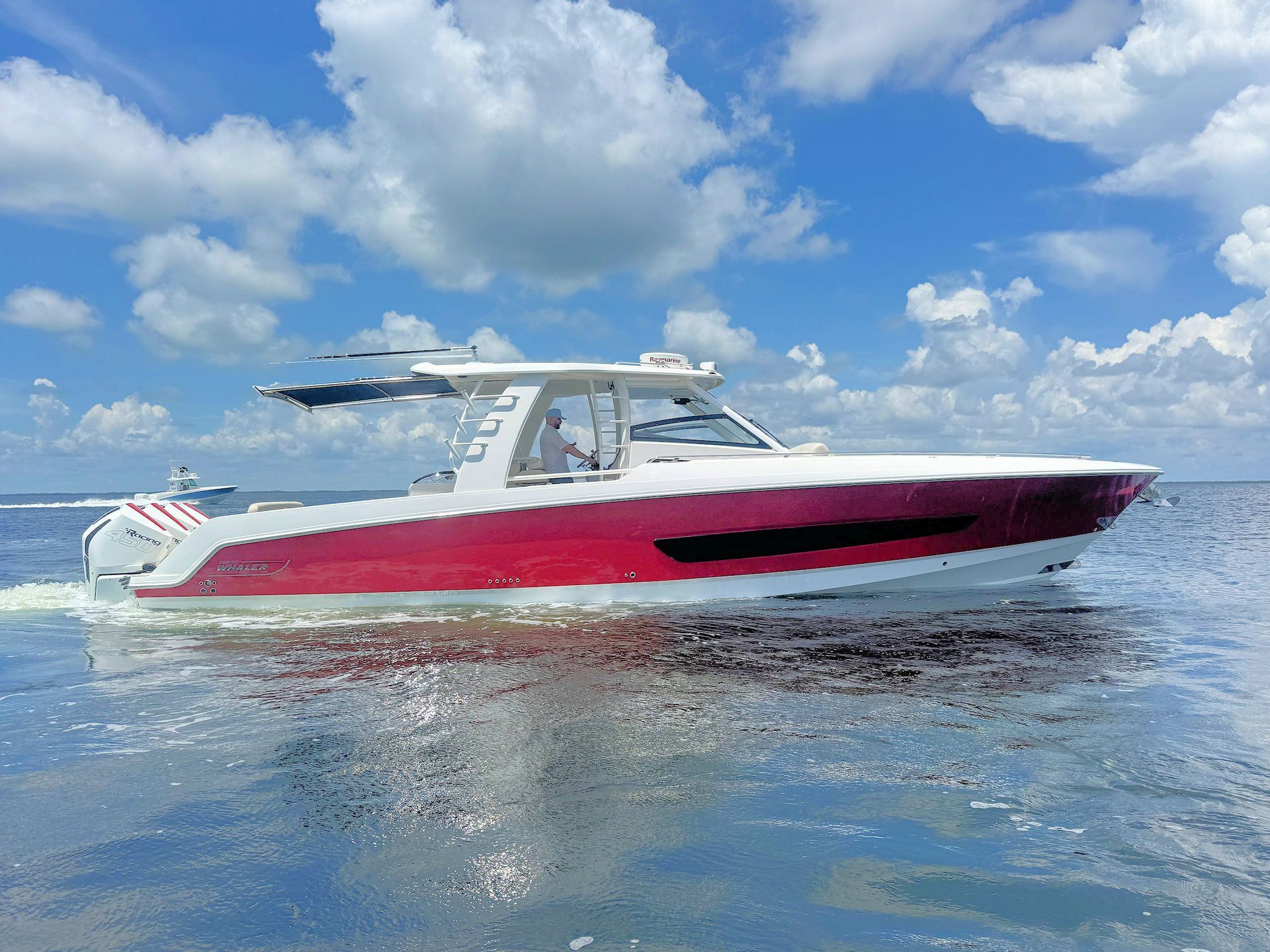
A flat or mod-V hull may sit stable at a sandbar, but pounds hard into choppy head seas. By contrast, one of those true deep-V hulls with a deadrise angle that is steep enough to make a sharp bow entry and reverse chines cuts through the punishment of chop like a razor blade. A good hull form drives the heavy spray out to the side, keeping your crew dry and happy. Inspecting the underwater profile of Offshore Fishing Boats for Sale saves your back from unnecessary punishment.
Ergonomics: Function Over Flashy Comforts
Plush forward seating and shiny cup holders look great in a showroom, but they won't help you land a thrashing tuna. Shoddy boat designs, tangled lines, poor footing, and lost trophies plague three anglers as they battle a chaotic double-header.
Real fishing ergonomics require clear 360-degree decks, deep cockpits, and padded coaming bolsters that hold you snugly inboard. You must also have pressurized livewells so bait does not slosh around and die while on high-speed transits. So as you start analyzing different Offshore Fishing Boats for Sale, ask yourself one simple question. Does this design allow fishing or is it only good to look at?
High-End Construction: Is It Worth the Price?
Why do some vessels cost double despite sharing similar dimensions? Are you simply paying through the nose for a prestigious logo? Not necessarily.
Cheap boat builders cut corners where you can't see them. They use low-grade hardware, thin gelcoats, and sloppy "bird's nest" wiring harnesses hidden in the bilge. Cheap components corrode quickly in seawater, and within a season or two, this can lead to expensive electrical failures. By comparison, premium brands use vacuum-infused composite hulls and 316 stainless steel and tinned copper marine wiring. The structural characteristics here determine whether your ship is bulletproof for years of hard offshore wear or a leaky old rust-bucket. Yes, the Offshore Fishing Boats for Sale of good quality cost more upfront, but that investment returns dividends in safety and reduced repair bills as well as strong resale value.
Navigating the Buying Process with Confidence
Do not allow a good sales presentation to close your eyes to structural issues. Squeeze the sea trial, flex and leaks in the bilge, and electrical integrity before you sign.
Few things in life take as disciplined, skeptical an eye as combing through all the Offshore Fishing Boats for Sale to find one that perfectly suits your needs. Want to avoid getting taken for a ride? Scrutinize build quality, fuel range, and safety features by exploring The Marine Web’s offshore boat buyer checklist before making your move.
FAQs
1. What is the best compound deadrise angle for offshore fishing?
Deep-V hulls with 21-to-24 degree deadrise slice through heavy offshore chop well. This provides a much softer ride than shallow hull designs.
2. How big of a fuel tank do I need for offshore voyages?
Follow the traditional "one-third rule". Allocate one-third of your fuel capacity to get to the fishing grounds, one-third to return because you know you should always leave, and reserve a third for emergencies.
3. Are twin outboards mandatory when considering Offshore Fishing Boats for Sale?
Yes. Multiple engines offer crucial mechanical redundancy. If one motor fails miles offshore, this will ensure you can safely limp back to port.
4. How much money should I set aside annually for boat maintenance?
Source an annual sum equal to about 10 percent of your boat's market value, and allocate it to the price of ordinary maintenance, marine insurance, storage, and saltwater repairs.
5. What should I check in the bilge wiring when considering a used vessel?
Sloppy, rust-eaten bilge wiring reflects lousy upkeep and creates acute hazards of sudden electrical failure or onboard fires far from land.